

• Home
  • Services
    • List of Services
    • Course Review
  • Training
    • Online training
    • Instructional Design for Trainers and Educators
    • Basic Instructor Certification Course
    • Classroom Leadership for Corporate Instructors
  • Books
  • Samples
    • V/ILT
    • eLearning
    • Scenario
    • Motion
  • Process
  • Articles
  • About
$0.00
No products in the cart
Go to shop
Jacobs, et al, LLCJacobs, et al, LLC
  • Home
  • Services
    • List of Services
    • Course Review
  • Training
    • Online training
    • Instructional Design for Trainers and Educators
    • Basic Instructor Certification Course
    • Classroom Leadership for Corporate Instructors
  • Books
  • Samples
    • V/ILT
    • eLearning
    • Scenario
    • Motion
  • Process
  • Articles
  • About

How do you know that a new employee is ready to hit the floor and interact with customers? How do you know they can manage all of the systems they were taught in class?

Scenario-based training and assessments provide that crucial step between classroom and working with customers. But, in order for scenario-based training and assessment to be valuable, it must be consistent in application, performance of role-players, and measuring performance.

Scenario-based training can be complex, but is also highly effective. Scenarios can also be used for assessing participants. Regardless, scenarios should be scripted and documented, to make sure everyone is getting the same experience. They should include rubrics to make sure measuring performance is objective.

The scenario-based training we have developed has been as complex as including multiple role players, equipment, and safety officers, and as simple as role-playing sales calls with customers.
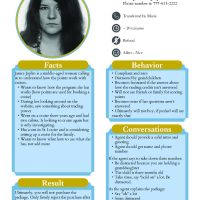
20m - 11 - refusal_Page_1

Simple scenarios

This sample is from a call center for selling travel packages. I was initially hired for solving the problem of high attrition/low retention. After analyzing the new hire training, it was found that there were a lot of problems with the training and hiring practices, but the biggest issue was that there was no practical skills applied in training.

The participants would sit through two weeks of training, learning sales tactics and the different packages, the different software programs they had to use through slide decks, and then were put out on the floor with threats of firing if they didn’t meet their sales metrics. They were also trained to the wrong tactic – the best salesmen knew when to stop trying to sell, so they made more successful calls.

I added scenario-based training that I call “mock OJT.” I reviewed hundreds of calls, gathered a percentage of refusals and sales that matched the actual call ratio, and wrote scripts based on those calls.

This allowed participants to practice navigating software while making their pitches and gave them a realistic experience of how calls would go. It also built resiliency through realizing that not all calls would be a sale, so to keep going until they did, while exposing them to the cues of when they were wasting their time.

Complex scenarios

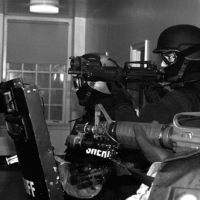
This sample is from a testing event created for a law enforcement agency. The concept was to observe law enforcement personnel when responding to two different domestic dispute scenarios. Command staff observed and evaluated how their personnel performed and assessed the need for additional training or remediation.

Command staff was surprised how effective the event was in providing insight on officer safety, response, and focus. Out of ten officers, four needed additional training in officer safety and situational awareness.

Names of instructors and the agency have been removed or changed.

entry for web

Investing in training is investing in your people and your organization.

It is also more than just telling people what to do, it is empowering them to know why and how best to accomplish what you ask them to do.

© 2026 — Jacobs, et al, LLC Privacy Policy | Website designed by RickJackSnaps

Press Enter to search · Esc to close